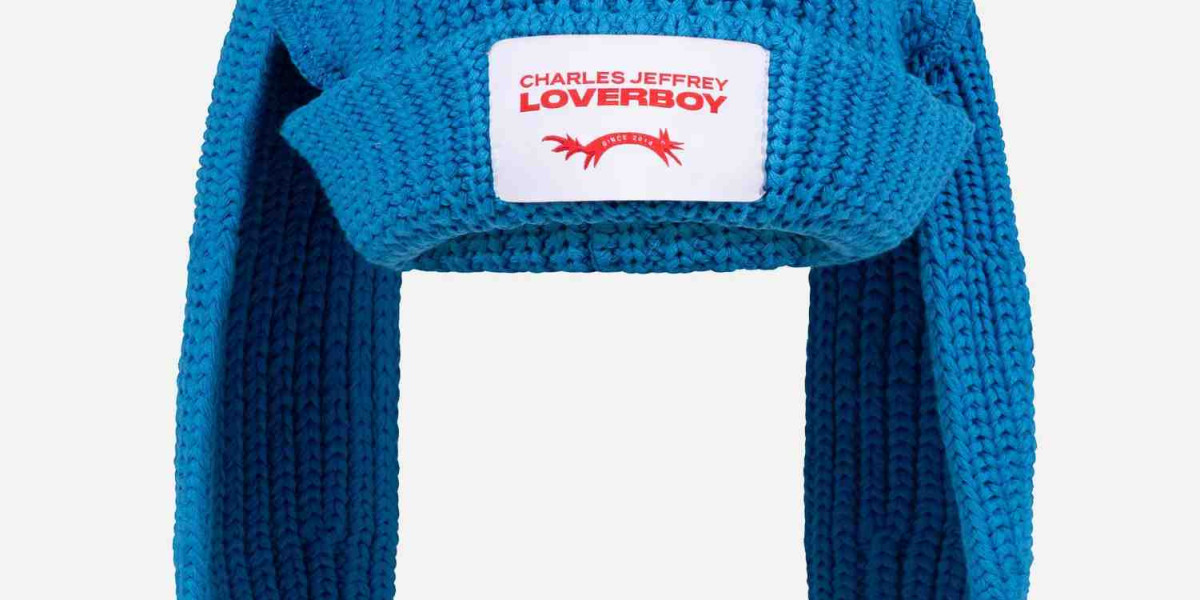

Introduction: The Rise of the Loverboy Hat
Fashion is not only about clothing; it is about identity, attitude, and the courage to express individuality. Among the many standout accessories that have captured attention in recent years, the Loverboy hat has emerged as a distinctive and creative statement piece. Known for its playful yet rebellious aesthetic, the Loverboy hat blends streetwear energy with avant-garde fashion culture. It has become especially popular among fashion enthusiasts who appreciate bold designs and artistic storytelling in what they wear.
The popularity of the Loverboy hat is closely tied to the creative vision behind the brand itself. Unlike traditional hats that simply serve a practical purpose, the Loverboy hat represents a deeper cultural narrative. Its unique shapes, vibrant colors, and unconventional textures reflect the experimental nature of modern fashion. Whether worn on city streets, fashion runways, or social media photoshoots, the Loverboy hat instantly captures attention and sparks conversation. In many ways, it has become a symbol of confidence and creative freedom.
As fashion continues to evolve, accessories like the Loverboy hat prove that small details can have a powerful impact. People today are searching for pieces that not only complete an outfit but also communicate personality. The Loverboy hat does exactly that. It blends comfort, creativity, and individuality, making it one of the most talked-about headwear trends in contemporary fashion culture.
Charles Jeffrey Loverboy: The Vision Behind the Brand
To truly understand the popularity of the Loverboy hat, it is important to explore the creative mind behind it: Charles Jeffrey. Charles Jeffrey is a Scottish fashion designer who founded the Charles Jeffrey Loverboy brand and quickly became known for his theatrical approach to fashion. His designs draw inspiration from club culture, art, queer identity, and the rebellious spirit of youth. Rather than following conventional fashion rules, Jeffrey embraces bold experimentation and emotional storytelling.
The Charles Jeffrey Loverboy brand started as more than just a fashion label. It began as a creative community that celebrated freedom of expression. Jeffrey originally organized club nights in London where fashion, music, performance, and art blended together. These gatherings helped shape the unique identity of the Loverboy brand. The energy of those underground cultural spaces eventually influenced the brand’s clothing and accessories, including the now-famous Loverboy hat.
Under Jeffrey’s direction, the brand quickly gained recognition in the global fashion industry. Critics praised his work for its fearless imagination and emotional depth. Runway shows became theatrical performances rather than simple clothing presentations. Within this creative environment, the Loverboy hat emerged as an iconic accessory that represented the playful, rebellious spirit of the brand.
Today, Charles Jeffrey Loverboy is considered one of the most exciting independent fashion labels. The brand continues to push boundaries, encouraging people to express themselves without fear. The Loverboy hat, in particular, has become a recognizable symbol of this philosophy, blending fashion with artistic identity.
The Unique Design Philosophy of the Loverboy Hat
What makes the Loverboy hat truly special is its design philosophy. Unlike traditional caps or beanies that focus primarily on functionality, the Loverboy hat emphasizes creativity and emotional expression. The designs often feature exaggerated shapes, animal-inspired ears, bold textures, and bright colors that challenge conventional expectations of headwear.
This unconventional design approach reflects the broader philosophy of the Charles Jeffrey Loverboy brand. The goal is not simply to create accessories that match outfits but to produce pieces that feel like wearable art. Each Loverboy hat carries an element of storytelling. The playful ears, unusual silhouettes, and handcrafted details evoke a sense of imagination and individuality.
Another defining characteristic of the Loverboy hat is its ability to blur the boundaries between high fashion and streetwear. While it is frequently seen on fashion runways and in editorial photography, it also resonates strongly with youth culture and everyday street style. This dual identity has contributed significantly to its popularity. It appeals both to fashion collectors and to individuals who want something bold and expressive in their daily wardrobe.
Comfort and practicality are also considered in the design process. Despite their artistic appearance, many Loverboy hats are made from soft knitted materials that provide warmth and flexibility. This balance between comfort and creativity allows the hat to function as both a practical winter accessory and a fashion statement piece.
Loverboy Beanie: The Iconic Statement Piece
Among all the variations of Loverboy headwear, the Loverboy beanie has become particularly iconic. The Loverboy beanie stands out because of its distinctive shape and playful character. Often featuring pointed or ear-like extensions at the top, it creates a silhouette that is instantly recognizable. This unusual design transforms a simple beanie into something memorable and expressive.
The Loverboy beanie is more than just a winter accessory; it represents a bold fashion attitude. Many people choose it because it allows them to stand out in a crowd. In a world where fashion trends often feel repetitive, the Loverboy beanie offers something refreshing and unexpected. Its vibrant colors and unique form add personality to even the simplest outfits.
Another reason for the popularity of the Loverboy beanie is its versatility. It can be styled with oversized streetwear pieces, structured fashion garments, or even minimal outfits. The beanie becomes the focal point of the look, drawing attention and creating visual interest. Fashion influencers, stylists, and creative artists frequently incorporate it into photoshoots because of its distinctive appearance.
Moreover, the Loverboy beanie reflects the spirit of youth culture and self-expression. It encourages wearers to embrace individuality rather than conform to traditional fashion norms. For many people, wearing the Loverboy beanie is a way of celebrating creativity and confidence.
Cultural Influence and Popularity in Modern Fashion
The rise of the Loverboy hat and Loverboy beanie highlights a broader shift in the fashion industry. Today’s fashion culture values authenticity, creativity, and storytelling more than ever before. Consumers are increasingly drawn to brands that have a strong artistic vision and cultural message. Charles Jeffrey Loverboy perfectly fits this new fashion landscape.
Social media has also played a significant role in the popularity of the Loverboy hat. Platforms like Instagram and TikTok allow bold fashion pieces to gain global attention very quickly. The visually striking design of the Loverboy hat makes it particularly well-suited for these platforms. Photographs featuring the hat often stand out in crowded feeds, encouraging viewers to learn more about the brand.
Celebrities, stylists, and fashion influencers have further amplified its reach. When creative personalities wear the Loverboy hat, it reinforces the idea that fashion should be fun, expressive, and fearless. As a result, the hat has become associated with artistic communities, fashion students, and individuals who enjoy experimenting with their personal style.
Beyond trends, the Loverboy hat also reflects a deeper cultural movement. It represents inclusivity, creativity, and the celebration of diverse identities. By embracing playful and unconventional designs, the brand challenges rigid beauty standards and encourages people to explore their own creative potential.
How to Style a Loverboy Hat or Loverboy Beanie
Styling a Loverboy hat or Loverboy beanie can be an exciting creative process. Because the design itself is bold, many people choose to pair it with relatively simple outfits. For example, a neutral oversized hoodie and relaxed trousers can create the perfect background for the hat to stand out as the central fashion element.
Another popular styling approach involves leaning fully into the brand’s playful aesthetic. This might include combining the Loverboy beanie with vibrant colors, layered textures, and experimental silhouettes. Fashion enthusiasts who enjoy avant-garde style often use the hat as part of a more dramatic outfit that reflects artistic inspiration.
Layering is also an effective way to style the Loverboy hat. Long coats, scarves, and statement boots can complement the accessory while maintaining a balanced overall look. The key is to treat the hat as a creative highlight rather than simply an afterthought.
Ultimately, the beauty of the Loverboy hat lies in its flexibility. There are no strict rules about how it should be worn. Its purpose is to encourage self-expression, allowing each wearer to interpret it in their own unique way.
Conclusion: The Future of the Loverboy Hat
The Loverboy hat has successfully established itself as one of the most recognizable accessories in contemporary fashion. Through its bold design, cultural storytelling, and artistic inspiration, it has captured the attention of fashion enthusiasts around the world. What started as a creative experiment within the Charles Jeffrey Loverboy brand has evolved into a global fashion symbol.
Looking ahead, the future of the Loverboy hat appears bright. As fashion continues to celebrate individuality and creativity, pieces that challenge traditional design boundaries will remain highly influential. The Loverboy hat embodies this spirit perfectly. It reminds people that fashion should not only be stylish but also imaginative and emotionally expressive.
For those who want to step beyond ordinary fashion choices, the Loverboy hat and Loverboy beanie offer an exciting opportunity. They represent a fearless approach to personal style, encouraging wearers to embrace their uniqueness and express themselves boldly. In the ever-changing world of fashion, that kind of confidence will always remain timeless.