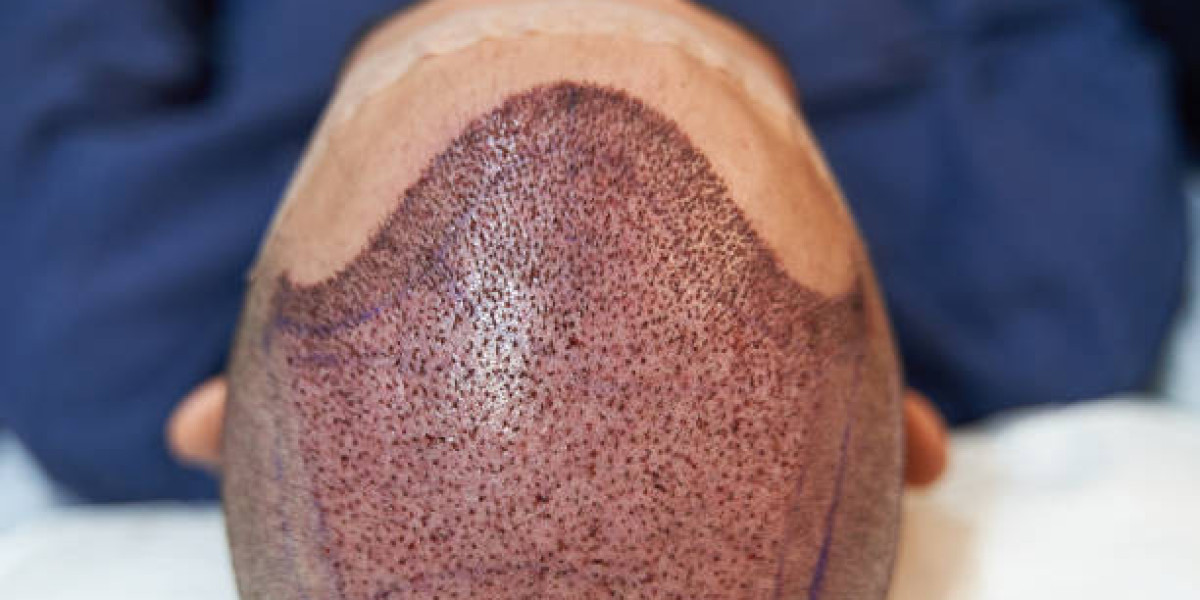

Hair loss can be a significant concern, especially when it results in large bald spots. Many individuals considering a Hair Transplant in Riyadh (زراعة الشعر) wonder if extensive areas of hair loss can be effectively restored with a natural appearance. Modern hair restoration techniques have made it possible to cover large bald areas, but success depends on several critical factors.
Understanding Large Bald Spots
Large bald spots are typically areas where the scalp has little to no hair due to genetics, trauma, medical treatments, or previous unsuccessful hair restoration attempts. These areas often require careful planning and strategic graft placement to achieve a natural look.
Common Causes
- Androgenetic alopecia (pattern baldness)
- Scarring from injuries or burns
- Over-plucking or traction alopecia
- Previous hair transplant failures
Factors That Determine Coverage Success
Donor Hair Availability
The number and quality of hair follicles available in the donor area (usually the back or sides of the scalp) are crucial. Adequate donor hair is necessary to cover extensive bald spots without compromising density.
Size and Shape of the Bald Area
The larger the bald spot, the more follicles are required to achieve sufficient coverage. Surgeons may need to prioritize key zones such as the hairline or crown for a natural appearance.
Hair Density and Texture
Thicker hair strands create the illusion of fuller coverage, whereas fine or sparse hair may require more grafts to achieve the same effect.
Surgical Technique
- Follicular Unit Extraction (FUE) allows precise placement of individual follicles, ideal for large areas where natural-looking density is critical.
- Follicular Unit Transplantation (FUT) may be used when a higher number of grafts are required to cover extensive bald zones.
Realistic Expectations
While large bald spots can be effectively covered, achieving extremely high density may require multiple sessions, especially in areas with very little existing hair.
Planning the Procedure
Comprehensive Assessment
A detailed consultation assesses donor hair quality, scalp condition, and the size of the bald area. Surgeons use this evaluation to design a customized treatment plan.
Strategic Graft Placement
- Focus on creating a natural hairline first
- Gradually increase density towards the central bald area
- Ensure hair growth direction and angle match existing hair for seamless blending
Multiple Sessions
In cases of extensive hair loss, two or more sessions may be required to achieve optimal coverage and natural density without overharvesting donor follicles.
Post-Transplant Care for Large Bald Areas
Gentle Handling
Large bald areas are more susceptible to trauma during healing. Avoid scratching, rubbing, or heavy pressure on the scalp.
Proper Washing Techniques
Follow surgeon-recommended washing routines to keep the scalp clean without disturbing grafts.
Nutrition and Hydration
A balanced diet supports healing and strengthens transplanted follicles, especially in large treated areas.
Avoid Strenuous Activity Initially
During the first few weeks, minimize exercise or activities that increase scalp sweating or blood pressure to protect transplanted grafts.
Benefits of Covering Large Bald Spots
Enhanced Appearance
Restoring hair in large bald areas dramatically improves aesthetics, giving the scalp a more youthful and fuller appearance.
Boosted Confidence
Effective coverage can improve self-esteem and social confidence, reducing self-consciousness related to extensive hair loss.
Long-Term Solution
Unlike temporary treatments, hair transplantation provides permanent coverage, allowing for natural hair growth over time.
Seamless Integration
Advanced techniques ensure transplanted hair blends with existing strands, creating a natural look even in previously bald areas.
Booking Your Hair Transplant in Riyadh
Successfully restoring large bald spots requires expertise, precision, and careful planning. The specialists at Royal Clinic Saudia (عيادات رويال كلينك) offer advanced Hair Transplant in Riyadh procedures with personalized strategies for extensive hair loss. Book your appointment today to restore full, natural-looking hair and regain confidence.
FAQs:
Can Hair Transplants Fully Cover Large Bald Areas?
Yes. With sufficient donor hair and proper planning, large bald spots can be effectively restored, though multiple sessions may be needed for maximum density.
Does Hair Texture Affect Coverage?
Thicker hair provides better visual density and coverage, while fine hair may require more grafts for a fuller look.
How Long Until Transplanted Hair Covers the Bald Spot Fully?
Initial growth begins around 3–4 months, with significant coverage visible by 6–9 months, and full results usually by 12 months.
Are Multiple Sessions Always Necessary for Large Bald Areas?
Not always, but large areas with very little existing hair may require more than one session to achieve natural density without overharvesting donor follicles.