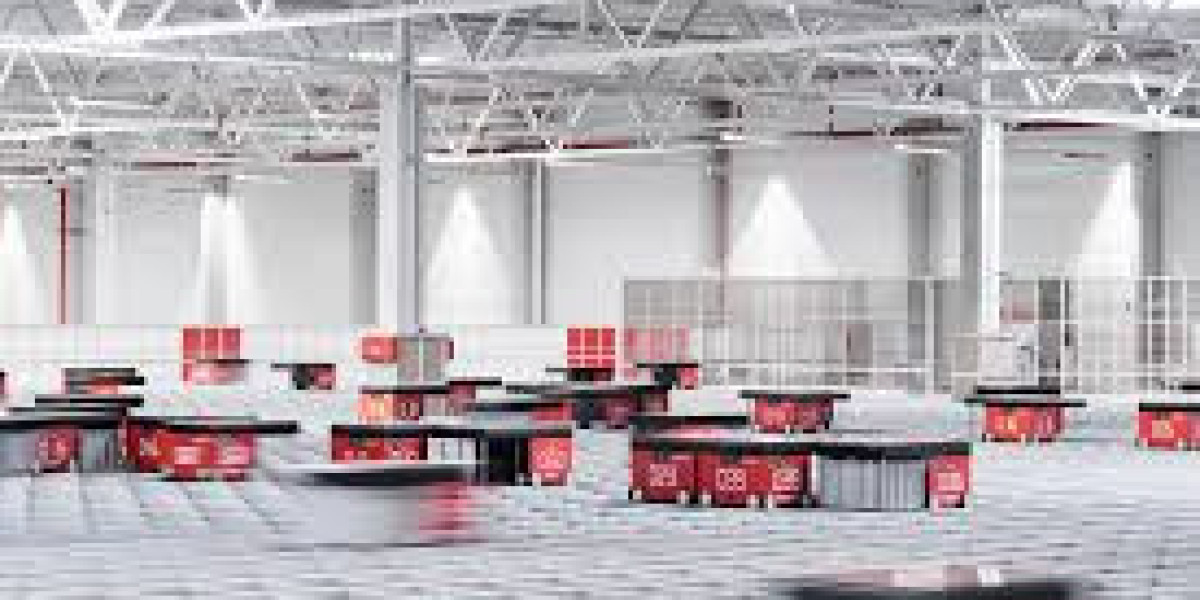

The landscape of regional logistics is being reshaped by a new wave of operational philosophies that prioritize flexibility and real-time responsiveness. Current Asia-Pacific Warehouse Automation Market trends suggest that the industry is moving away from rigid, fixed-conveyor systems toward modular and mobile solutions that can be reconfigured in hours. In group discussions, supply chain managers emphasize that the ability to scale up or down based on market volatility is now more valuable than pure throughput capacity. This "elastic logistics" model is supported by the proliferation of Autonomous Mobile Robots (AMRs) that do not require floor tracks or extensive infrastructure, making them ideal for existing warehouses that were not originally designed for automation. This trend is particularly relevant in the diverse economies of Southeast Asia, where companies need to navigate varied infrastructure quality while still aiming for world-class efficiency. The focus is shifting from "how much can we automate" to "how smartly can we automate."
Another significant trend is the focus on "Green Automation," where energy efficiency is baked into the design of every robotic component. Regenerative braking in cranes and low-power standby modes for sorters are becoming standard features as companies strive to meet Environmental, Social, and Governance (ESG) targets. Discussion groups often note that large retailers are now demanding that their logistics partners provide detailed carbon footprint reports, making sustainable automation a key competitive advantage. Additionally, the rise of the "Dark Store" concept—retail locations converted into local fulfillment hubs—is driving a need for quieter, more aesthetic automation that can operate in mixed-use urban environments without disturbing neighbors. These trends indicate a maturing market where technology is being refined to meet complex social and environmental demands, rather than just chasing speed. The result is a more holistic approach to automation that considers the entire lifecycle of the equipment and its impact on the community and the planet.
Why are companies moving away from fixed conveyors? Fixed systems are difficult to change once installed; modular AMRs allow warehouses to reorganize their layout quickly as business needs change.
What are "Dark Stores"? These are traditional retail spaces closed to the public and used exclusively as local fulfillment centers for online orders, often located in residential areas.
➤➤➤Explore MRFR’s Related Ongoing Coverage In Semiconductor Industry:
Guaranteed Auto Protection Insurance Market
Handheld Chemical Metal Detector Market
Handwriting Digital Pen Market
Hazardous Location Thermostats Market
Hazardous Waste Handling Automation Market
Heterogeneous Mobile Processing And Computing Market
High Performance Inertial Sensing Market